Plant Care Tips & Tutorials
Master the essentials of safe indoor plant care with our practical guides. From soil management to watering routines, learn everything you need to keep your plants healthy.
How to Avoid Mold in Soil

Mold growth in plant soil is a common issue that can be easily prevented with proper care techniques. Here's how to keep your soil healthy and mold-free:
- Proper Drainage: Ensure your pots have adequate drainage holes. Excess water should be able to escape freely.
- Watering Technique: Water your plants at the base, avoiding the leaves. Allow the top inch of soil to dry before watering again.
- Air Circulation: Place plants in areas with good air flow. Stagnant air encourages mold growth.
- Remove Debris: Regularly remove dead leaves and organic matter from the soil surface.
- Use Quality Soil: Choose well-draining potting mix specifically designed for indoor plants.
If you notice white fuzzy mold on the soil surface, gently scrape it off and allow the soil to dry more thoroughly between waterings. This is usually harmless but indicates overwatering.
Watering Routines That Prevent Pests
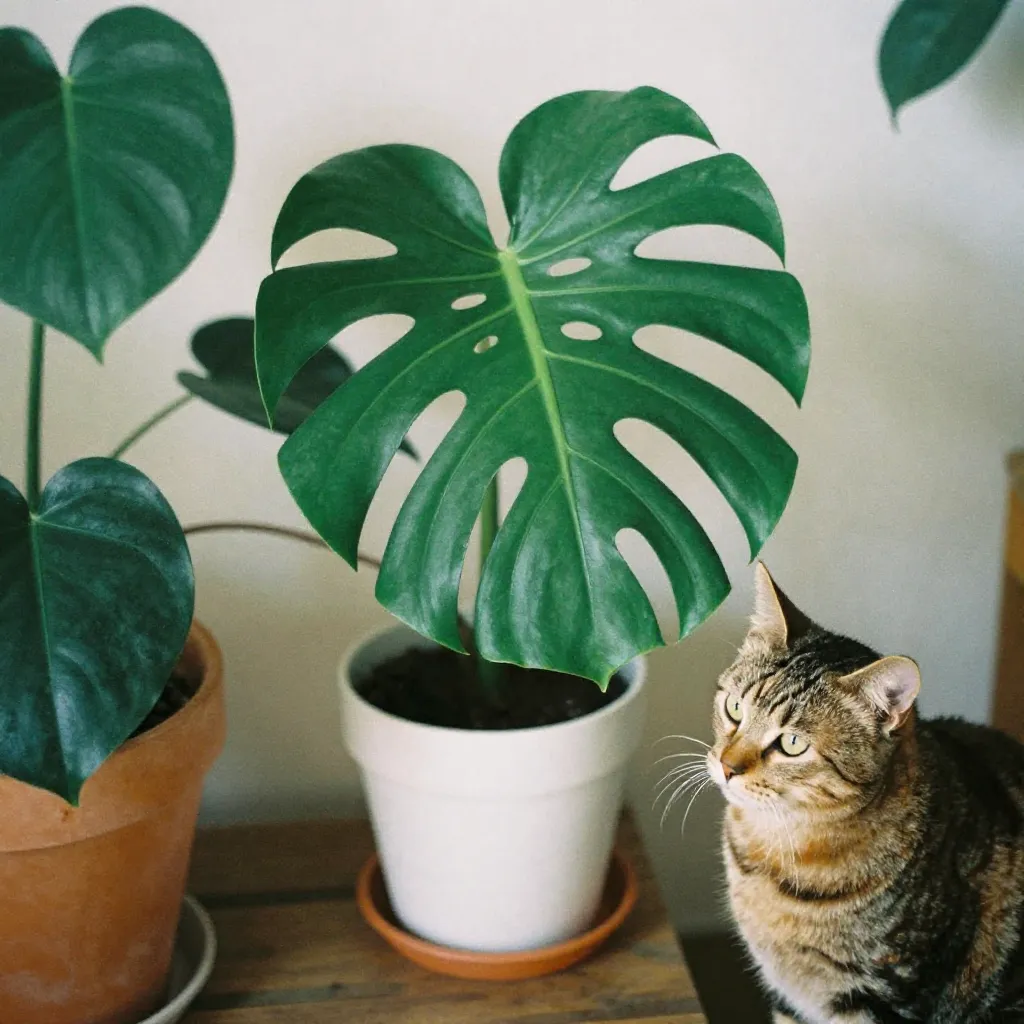
Establishing a consistent watering routine is key to preventing pest problems. Overwatering creates conditions that attract fungus gnats and other unwanted visitors.
Best Practices:
- Check Soil Moisture: Use your finger to test soil moisture. Insert it about an inch deep - if it feels dry, it's time to water.
- Water in the Morning: Morning watering allows excess moisture to evaporate during the day, reducing the risk of fungal issues.
- Bottom Watering: For plants prone to pests, consider bottom watering. Place the pot in a tray of water and let the soil absorb moisture from below.
- Seasonal Adjustments: Reduce watering frequency during winter months when plants grow more slowly.
- Use Room Temperature Water: Cold water can shock plant roots. Let tap water sit for 24 hours to allow chlorine to dissipate.
Remember: It's better to underwater than overwater. Most houseplants can recover from slight dehydration, but root rot from overwatering can be fatal.
Natural Fertilizers Safe for Pets
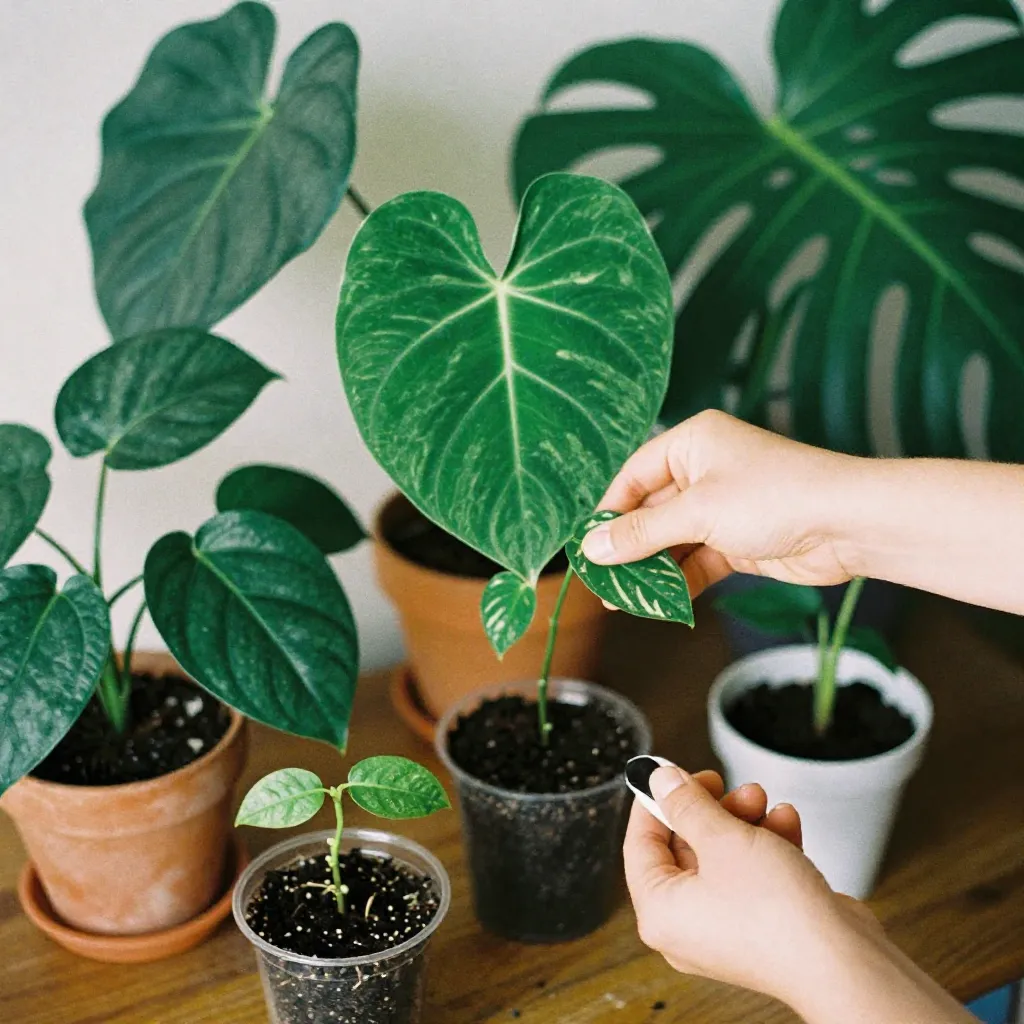
When caring for plants in a home with pets, it's important to use fertilizers that won't harm your furry friends if they come into contact with them.
Safe Natural Options:
- Compost Tea: Made from well-composted organic matter, this provides gentle nutrients without harmful chemicals.
- Worm Castings: Rich in nutrients and completely safe for pets. Mix into soil or use as a top dressing.
- Banana Peel Water: Soak banana peels in water for a few days to create a potassium-rich fertilizer.
- Eggshell Powder: Crushed eggshells add calcium to the soil. Bake shells at 200°F for 10 minutes, then grind into powder.
- Fish Tank Water: If you have an aquarium, the water from water changes is rich in beneficial nutrients.
Always apply fertilizers according to plant needs and avoid over-fertilizing, which can damage roots and attract pests.
Soil Mixes Without Chemicals
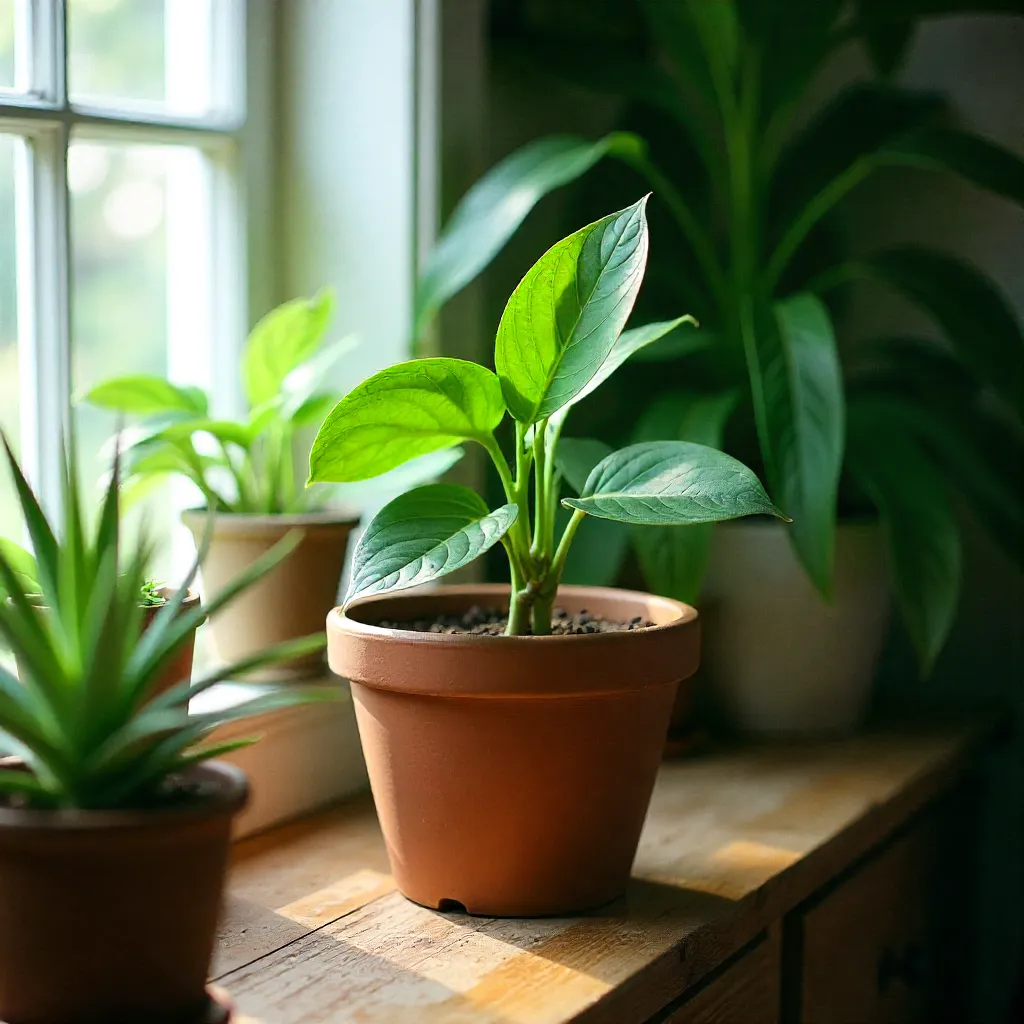
Creating your own chemical-free soil mix ensures your plants and family stay safe. Here's a simple recipe for a versatile indoor plant mix:
Basic Recipe:
- 2 parts peat moss or coconut coir: Provides moisture retention
- 1 part perlite: Improves drainage and aeration
- 1 part compost: Adds nutrients and beneficial microorganisms
- Optional additions: Worm castings, charcoal pieces, or sand for specific plant needs
Mix all ingredients thoroughly in a large container. Store unused mix in a sealed container to keep it fresh. This mix works well for most common houseplants and can be adjusted based on your specific plant's requirements.
Light Positioning for Small Apartments

Maximizing natural light in small spaces requires strategic placement. Here are tips for positioning plants to receive adequate light:
Light Assessment:
- South-facing windows: Provide the brightest light. Ideal for plants that need direct or bright indirect light.
- East-facing windows: Offer gentle morning light. Perfect for plants that prefer bright indirect light.
- West-facing windows: Provide afternoon light, which can be intense. Use sheer curtains to filter if needed.
- North-facing windows: Offer the lowest light levels. Suitable for low-light tolerant plants.
Space-Saving Solutions:
- Use wall-mounted shelves near windows to create vertical growing space
- Place plants on window sills or use hanging planters
- Rotate plants weekly to ensure even light exposure
- Group plants with similar light needs together
- Use mirrors to reflect light into darker corners
Remember that light intensity decreases significantly as you move away from windows. Most plants need to be within 3-5 feet of a window to receive adequate natural light.