Home Plant Setup Guide
Discover creative and safe ways to arrange plants in your home. Learn placement strategies that keep your plants beautiful and your pets safe.
Shelf and Corner Placement Ideas
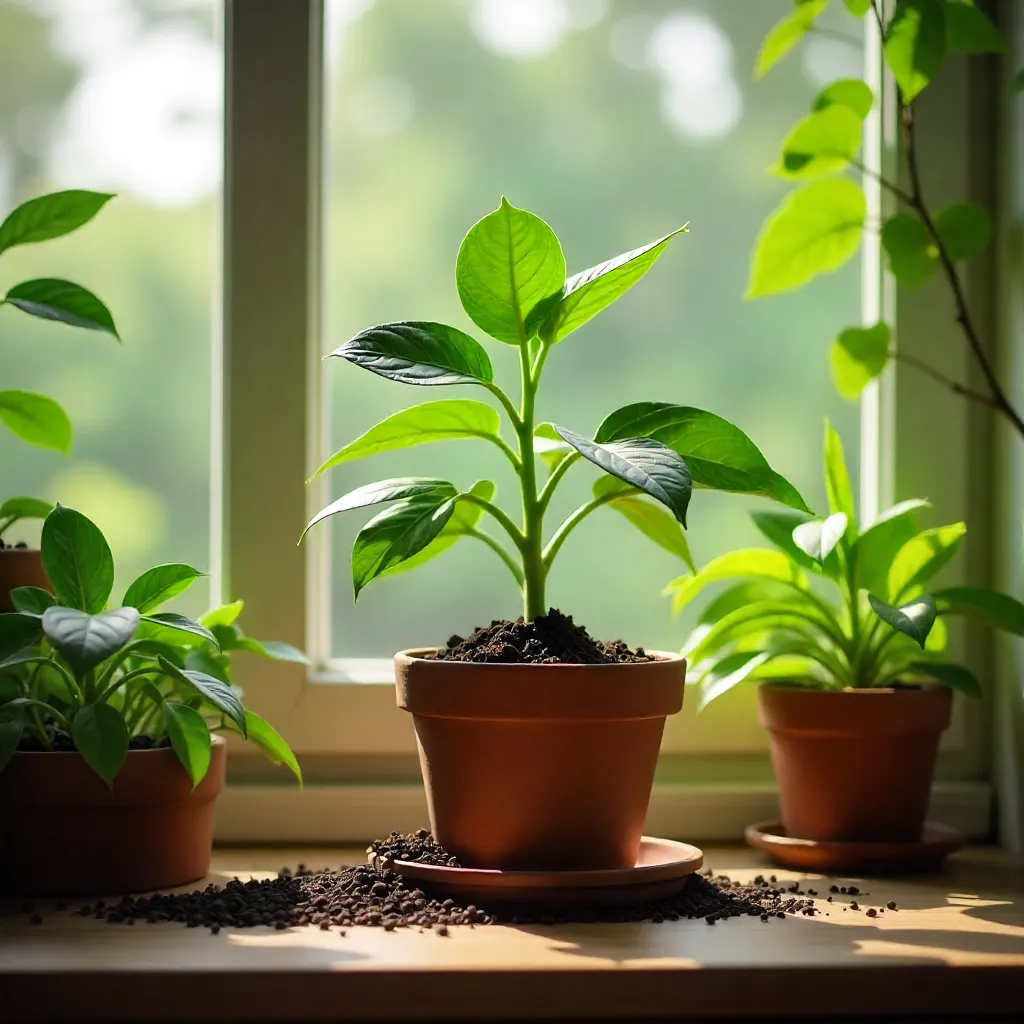
Strategic shelf placement can transform empty corners into beautiful green spaces while keeping plants safely out of reach of curious pets.
Corner Shelf Solutions:
- Floating Shelves: Install wall-mounted shelves at varying heights to create visual interest. Place trailing plants on higher shelves.
- Corner Ladder Shelves: Leaning ladder-style shelves fit perfectly in corners and provide multiple levels for plant display.
- Window Sill Extensions: Add a small shelf below windows to maximize light exposure while keeping plants elevated.
- Hanging Corner Shelves: Suspended corner shelves create a modern look and keep plants safely above pet level.
When placing plants on shelves, ensure they're at least 4-5 feet high if you have cats or large dogs. Use planters with drainage trays to protect your furniture.
Keeping Plants Away from Curious Pets
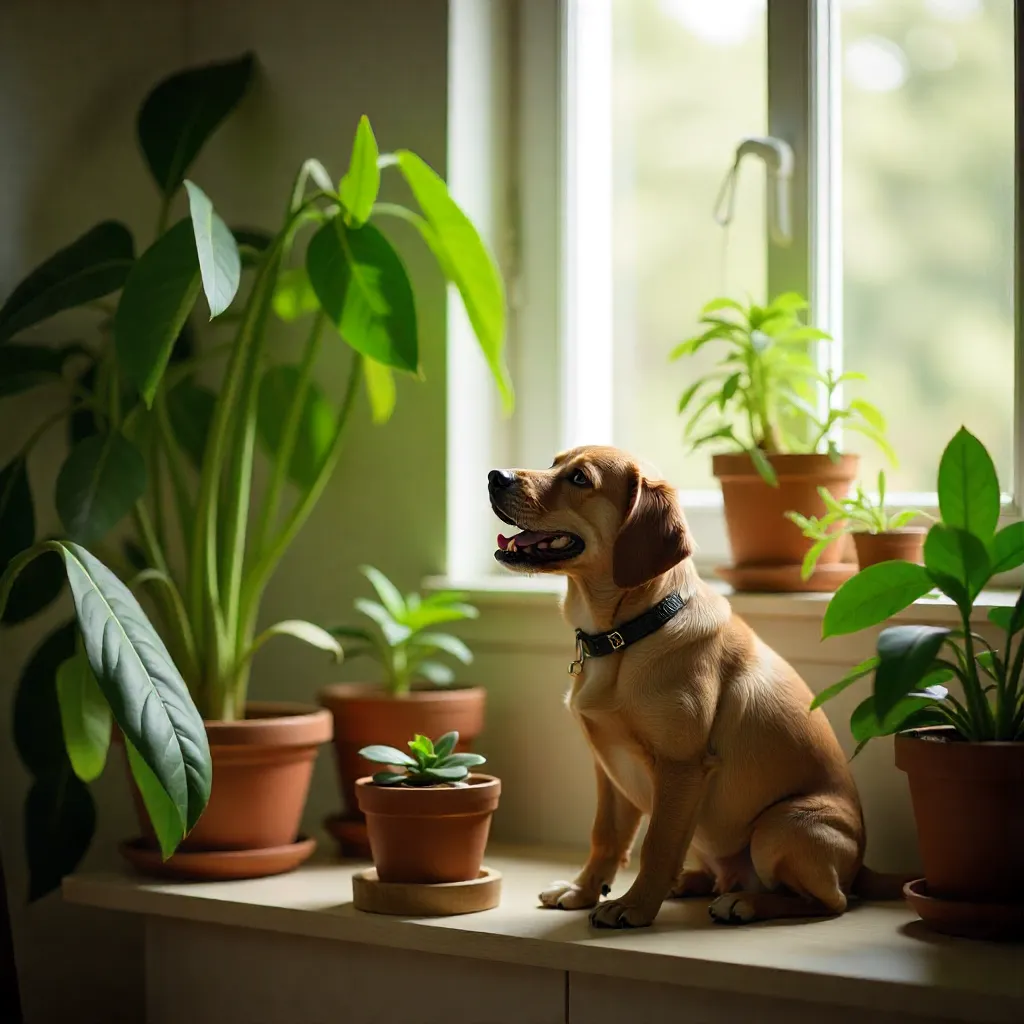
Even with non-toxic plants, it's wise to prevent pets from playing with or chewing on your plants. Here are effective strategies:
Protection Methods:
- Elevated Plant Stands: Use tall plant stands to raise plants beyond your pet's reach. Choose stable, weighted bases to prevent tipping.
- Room Dividers: Place plants behind decorative room dividers or screens to create a visual barrier.
- Deterrent Sprays: Apply pet-safe deterrent sprays (citrus-based) around plant areas to discourage interest.
- Training: Consistently redirect your pet's attention away from plants using positive reinforcement.
- Alternative Distractions: Provide pet-safe grass or catnip plants specifically for your pets to enjoy.
Monitor your pets' behavior around new plant placements and adjust as needed. Some pets are more persistent than others, so you may need to combine multiple strategies.
Using Wall-Mounted Pots

Wall-mounted planters are an excellent solution for small spaces and pet-safe plant display. They create living art while keeping plants secure.
Installation Tips:
- Choose the Right Location: Select walls that receive adequate natural light. East or north-facing walls work well for most houseplants.
- Secure Mounting: Use appropriate wall anchors for your wall type. Ensure each planter can support the weight of the plant and soil when watered.
- Drainage Considerations: Look for wall planters with built-in drainage or use a liner with drainage holes. Consider placing a small tray beneath to catch water.
- Grouping Strategy: Create visual impact by grouping 3-5 wall planters together at varying heights.
- Maintenance Access: Install planters at heights that allow easy watering and care without requiring a ladder.
Wall-mounted planters work especially well for trailing plants like Swedish ivy or spider plants, which create beautiful cascading effects.
Safe, Non-Toxic Humidifying Techniques
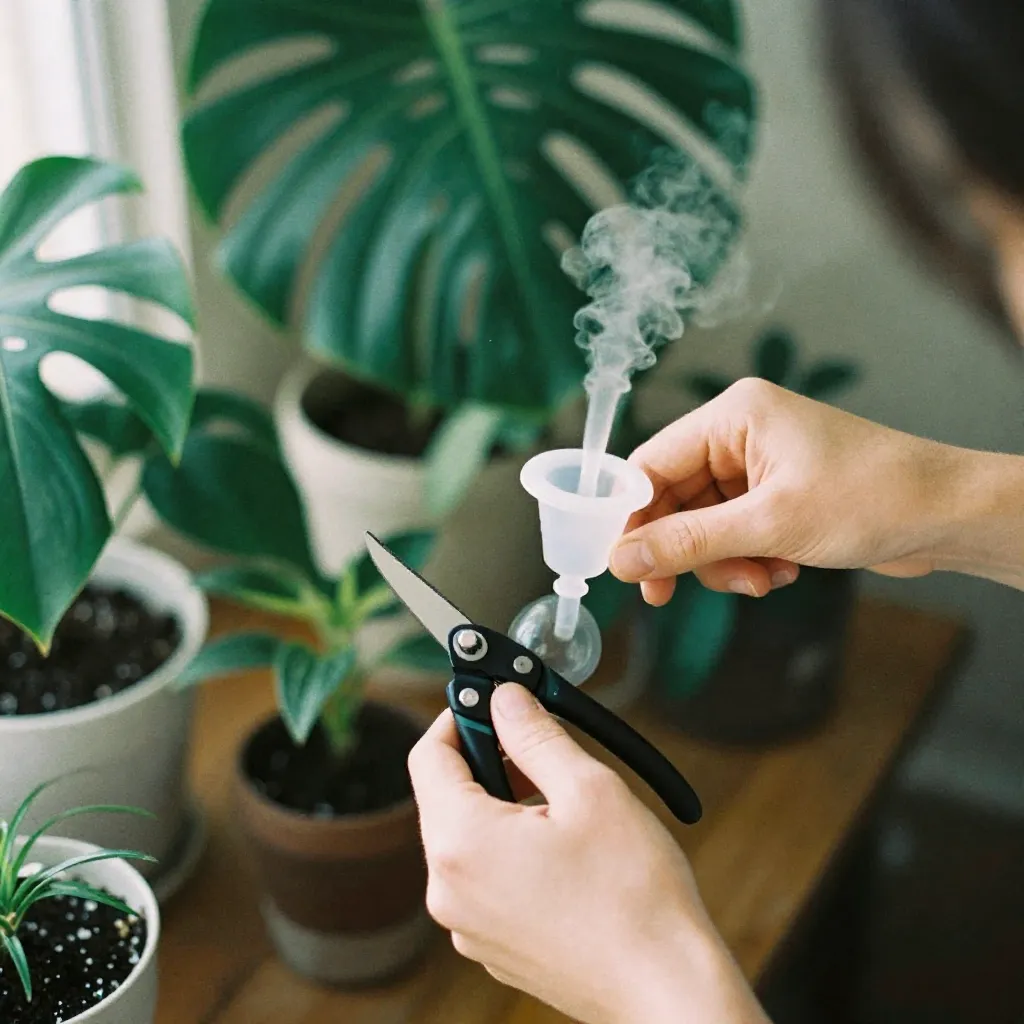
Many houseplants benefit from increased humidity, but it's important to create moisture in ways that are safe for your family and pets.
Natural Methods:
- Pebble Trays: Fill shallow trays with pebbles and water, then place plant pots on top. As water evaporates, it increases humidity around plants.
- Grouping Plants: Place several plants together. They naturally create a microclimate with higher humidity through transpiration.
- Bathroom Placement: Bathrooms naturally have higher humidity. Place humidity-loving plants like ferns in well-lit bathrooms.
- Open Water Containers: Place decorative bowls of water near heating sources. The water will evaporate and add moisture to the air.
- Misting: Use a clean spray bottle to mist plant leaves in the morning. Use distilled or filtered water to prevent mineral buildup.
Avoid using chemical humidifiers or additives. Simple, natural methods are just as effective and completely safe for pets and children.
Seasonal Care Routines in Various Climates
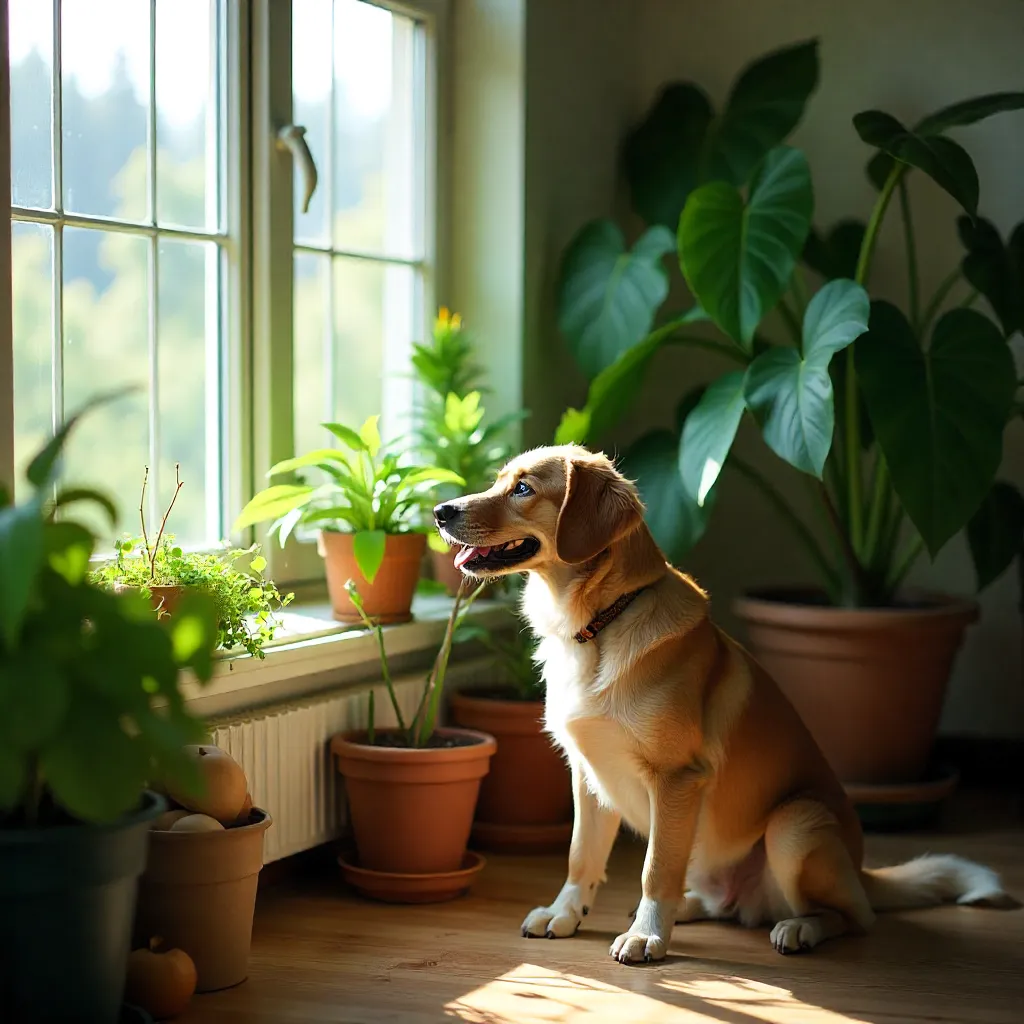
Indoor plants need different care depending on the season and your local climate. Understanding these cycles helps keep plants healthy year-round.
Spring and Summer:
- Increase watering frequency as plants enter active growth phase
- Move plants closer to windows to maximize light exposure
- Begin regular fertilization with natural, pet-safe fertilizers
- Monitor for pests that become more active in warmer months
- Consider moving plants outdoors to shaded patios if weather permits
Fall and Winter:
- Reduce watering as plants enter dormancy or slow growth
- Move plants away from cold windows and heating vents
- Supplement natural light with grow lights if needed
- Increase humidity to combat dry indoor air from heating systems
- Pause fertilization until spring growth resumes
Pay attention to your specific climate zone. Homes in dry climates may need more frequent watering and humidity management, while humid climates require better air circulation to prevent mold.
Room Examples
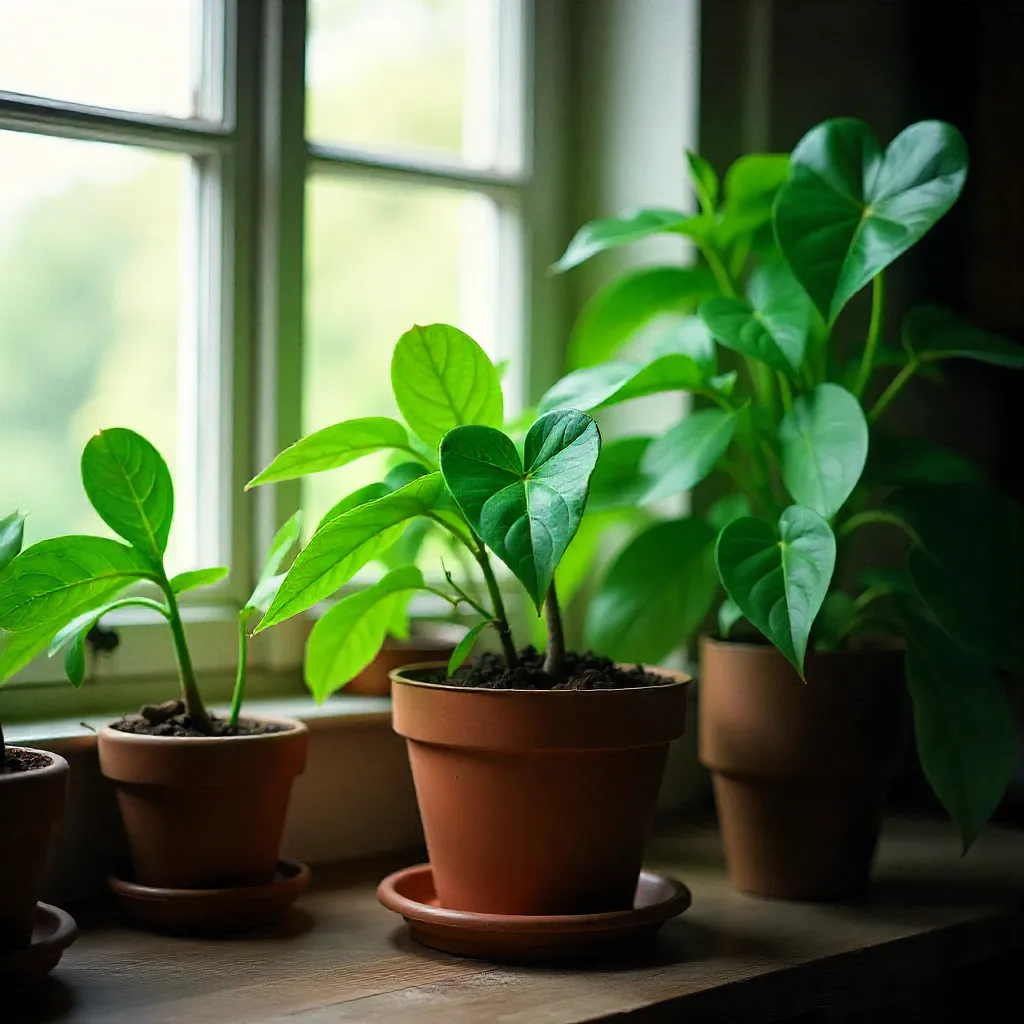
Living Room
Create a welcoming atmosphere with a mix of floor plants and elevated displays. Use tall plant stands and wall-mounted options to keep plants safe from pets while maintaining visual appeal.
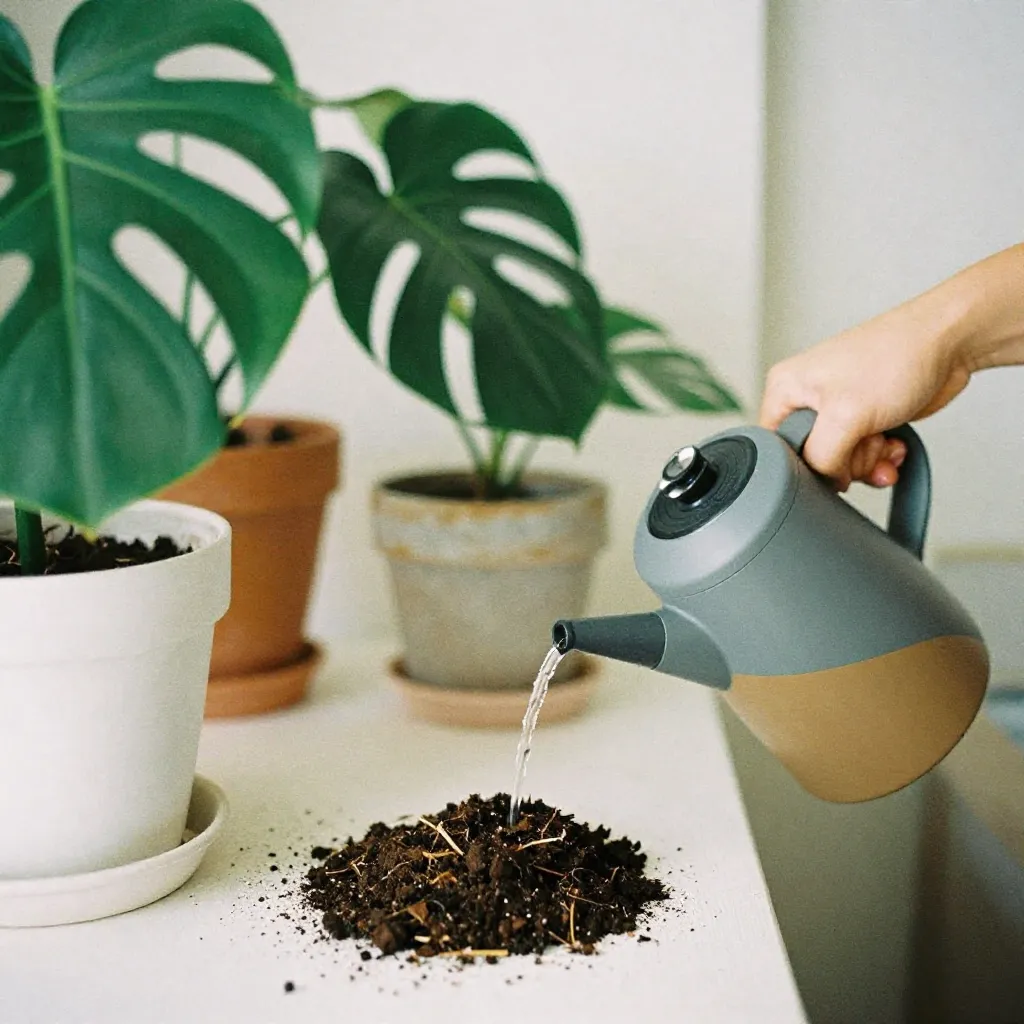
Bedroom
Place air-purifying plants like spider plants on nightstands or wall-mounted near windows. Choose low-maintenance varieties that thrive in typical bedroom lighting conditions.
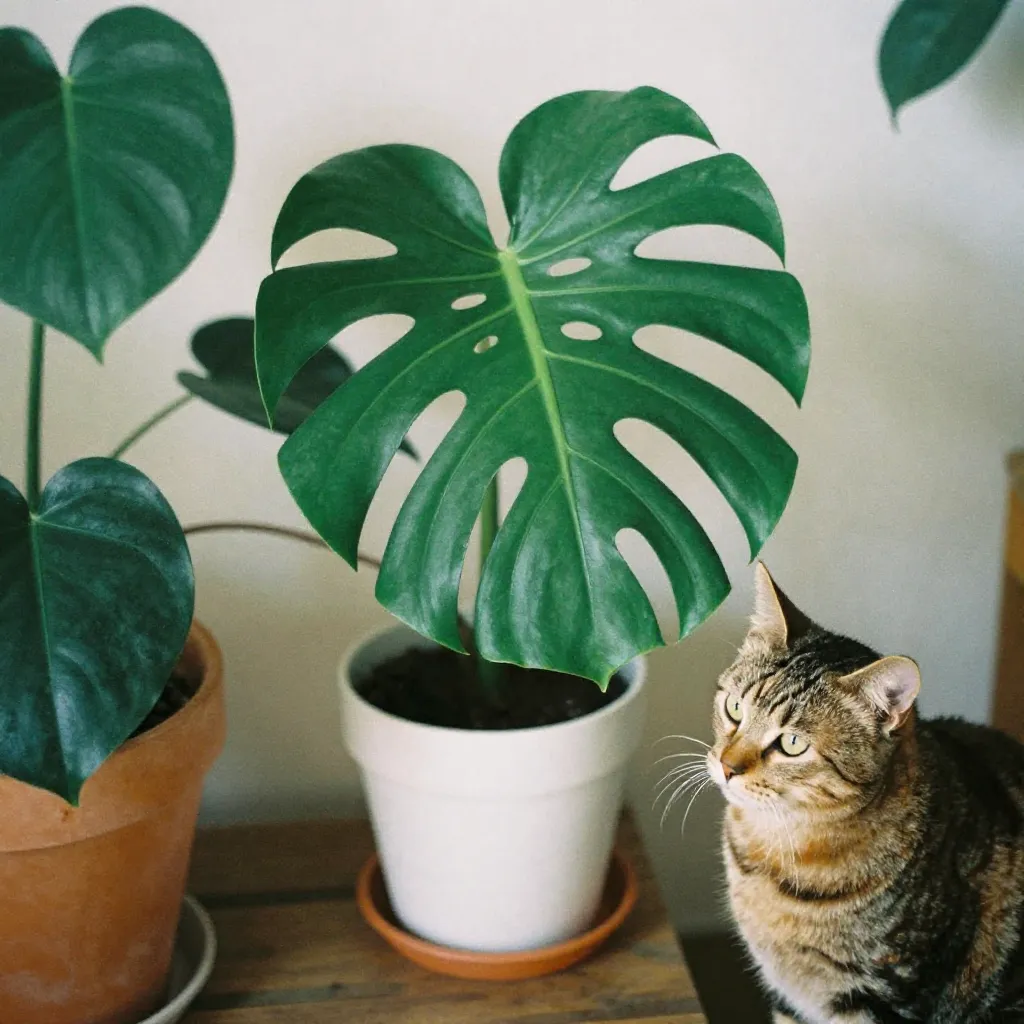
Kitchen
Utilize windowsills and hanging planters above sinks. Herbs and small plants add freshness while staying safely out of the way of cooking activities and pet access.